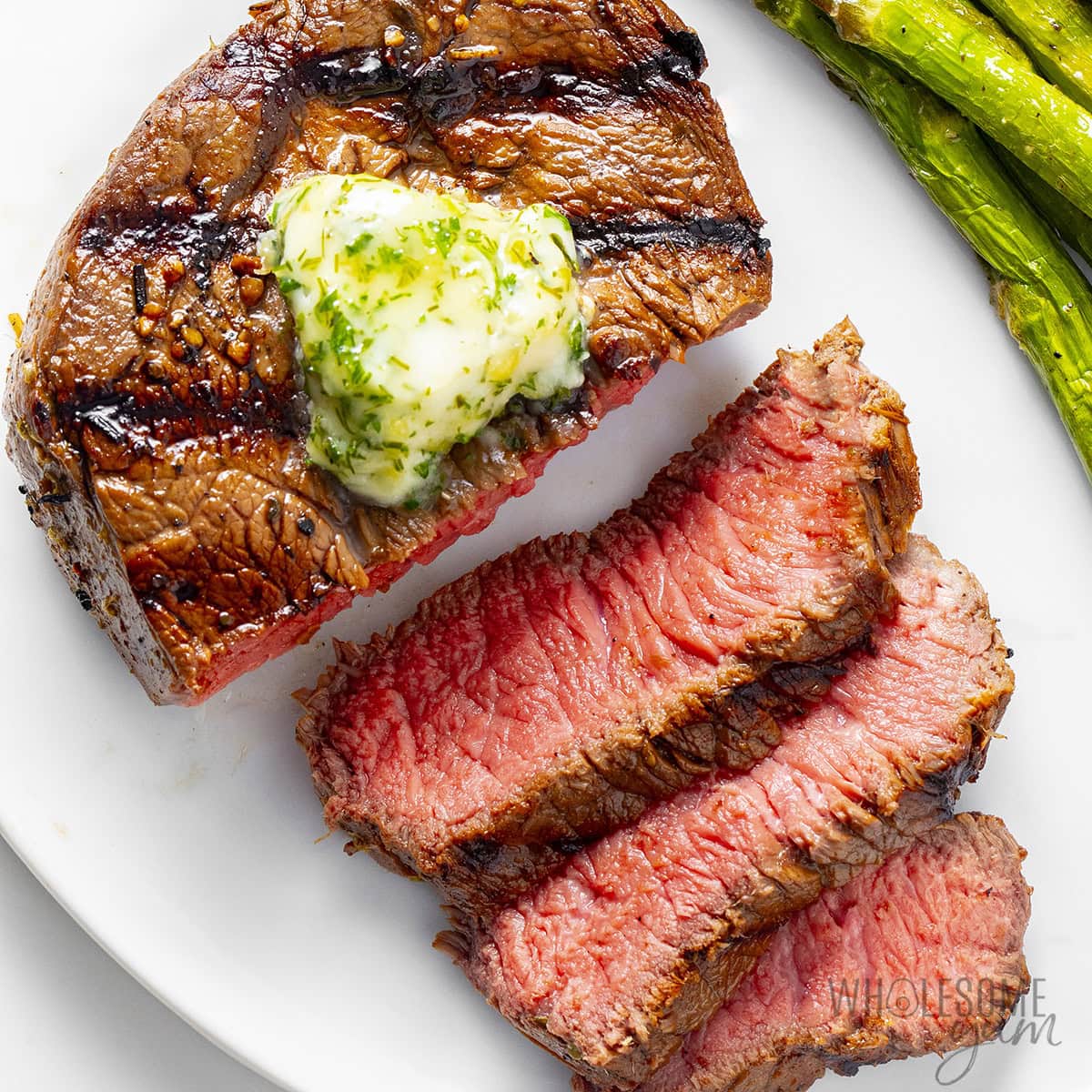
Foolproof Steak: Juicy Grills & Pan-Sears with Perfect Crust
Few culinary feats are as satisfying as cooking the perfect steak. That glorious combination of a deeply caramelized, savory crust and a tender, unbelievably juicy interior is the holy grail for any meat lover. Whether you prefer the smoky char of a grill or the precise sizzle of a cast-iron pan, achieving a truly perfect steak recipe might seem daunting. But fear not! We're here to demystify the process, revealing the foolproof techniques and scientific principles that guarantee a sensational steak every single time.
From the moment you select your cut to the final, crucial resting period, every step plays a vital role. Forget the old wives' tales and conflicting advice; we'll break down the essentials, ensuring your next steak experience is nothing short of extraordinary.
The Foundation of Flavor: Mastering Pre-Cook Prep
Before any heat even touches your prized cut, the groundwork for a sensational steak begins. These fundamental steps are often overlooked but are critical for achieving that coveted tenderness and flavor.
- Cut Against the Grain: This isn't just a chef's whim; it's a science-backed technique. Muscle fibers in meat are like tiny, tough strings. Cutting against them shortens these fibers, making each bite significantly more tender and less chewy. Always identify the direction of the grain and slice perpendicular to it.
- Bring to Room Temperature: While not strictly necessary for food safety, allowing your steak to sit out for 30-60 minutes before cooking can lead to more even cooking. A cold steak hitting a hot pan will cook much slower from the center outwards, potentially leading to an overcooked exterior by the time the middle reaches your desired doneness. A warmer starting temperature helps the heat penetrate more uniformly.
The Salting Debate: Timing is Everything
One of the most persistent points of contention among steak enthusiasts is when to salt the meat. Some swear by salting immediately before, others advocate for hours or even days in advance. Our research, mirroring extensive culinary tests, reveals a fascinating truth: both extreme ends of the timing spectrum yield superior results, while the middle ground can be problematic.
Imagine salting your steak at different intervals before searing. What happens?
- Salting Immediately Before Cooking: When you apply salt just moments before hitting the heat, the salt crystals rest on the surface, undissolved. The steak's natural juices remain largely within the muscle fibers. This dry surface allows for immediate, aggressive searing, leading to a fantastic crust. The salt dissolves during cooking, penetrating the surface for flavor.
- The "Danger Zone" (10-30 minutes after salting): This is where things go wrong for many home cooks. As soon as salt hits the meat, it begins to draw moisture out through osmosis. After 10-30 minutes, you'll see visible beads of moisture on the surface of your steak. If you cook it now, this moisture turns into steam in the hot pan, preventing direct contact between the meat and the searing surface. The result? A grayish, steamed exterior instead of a beautiful, crispy crust. The salt hasn't had enough time to dissolve and be reabsorbed, leaving the surface wet and hindering flavor penetration.
- Salting and Resting for 40+ Minutes (or Longer): This is the other sweet spot. Given enough time (typically 40 minutes to several hours, or even overnight in the fridge), the salt first draws out moisture, then fully dissolves into that moisture, creating a brine. This flavorful brine is then gradually reabsorbed back into the muscle fibers. This process seasons the meat more deeply and also helps to break down muscle proteins, leading to an even more tender steak. Crucially, the surface of the steak will be dry again, making it perfect for searing. For deep flavor and enhanced tenderness, this extended salting period is highly recommended. For a deeper dive into this crucial step, check out our guide on Perfect Steak Salting: The Timing Secret for Flavor & Sear.
Our Verdict: For the best results, either salt your steak immediately before it goes into the pan/on the grill, or salt it at least 40 minutes in advance (preferably longer) to allow for reabsorption and deeper seasoning. Avoid the 10-30 minute window.
The Art of the Sear: Pan vs. Grill
The crust is paramount to a perfect steak experience. It's the first thing you see, smell, and taste, offering a delightful textural contrast to the tender interior. Achieving this deep, flavorful crust hinges on high heat and a dry surface.
Achieving the Golden Crust: Searing Secrets
- Screaming Hot Heat: Whether you're using a cast iron skillet or a grill, the cooking surface needs to be incredibly hot. For a pan, this means heating it until it just begins to smoke. For a grill, aim for direct cooking at 600-650°F (315-345°C). This extreme heat is what initiates the Maillard reaction – the complex chemical process responsible for that irresistible browned, savory crust.
- Pan-Searing Specifics:
- Choose Your Pan Wisely: A heavy-bottomed pan, especially cast iron, is ideal. It retains heat exceptionally well, ensuring consistent searing.
- High Smoke Point Oil: Use an oil with a high smoke point (e.g., grapeseed, canola, avocado) to prevent burning and off-flavors. Add just enough to thinly coat the bottom of the pan.
- Frequent Flipping: Contrary to the old adage of "flip only once," frequent flipping (every 30-60 seconds) can lead to a more evenly cooked steak from edge to center and a more uniform crust. This technique constantly exposes the surface to heat, preventing one side from burning while the other struggles to brown.
- Basting for Flavor: In the last few minutes of cooking, add a generous knob of butter to the pan along with aromatics like crushed garlic cloves and fresh herbs (rosemary, thyme). Tilt the pan and spoon the melted, fragrant butter over the steak repeatedly. This infuses the steak with incredible flavor and promotes even browning.
- Grilling Specifics:
- Direct High Heat: Set up your grill for direct, high-heat cooking. For extra deep sear marks, consider using a cast iron cooking grid.
- Wood Chips for Aroma: Adding a handful of wood chips (like hickory or oak) to your coals (or a smoker box on a gas grill) can infuse your steak with a wonderful smoky flavor.
- Rotate for Crosshatch Marks: For those coveted restaurant-quality crosshatch sear marks, place the steak on the grill, sear for 2-3 minutes, then rotate it 45 degrees and sear for another 2-3 minutes before flipping to the other side and repeating the process.
- Clean Grill Grates: Always start with clean grill grates to prevent sticking and ensure optimal heat transfer.
From Edge to Center: Ensuring Perfect Doneness
The ultimate goal is a steak cooked precisely to your liking, with a perfectly even doneness throughout. This requires precision and, most importantly, a reliable tool.
- Invest in a Meat Thermometer: This is non-negotiable for consistent results. Guessing doneness by touch is unreliable. An instant-read thermometer is your best friend.
- Target Temperatures (for a 1.5-2 inch thick steak):
- Rare: 120-125°F (49-52°C)
- Medium-Rare: 130-135°F (54-57°C)
- Medium: 135-140°F (57-60°C)
- Medium-Well: 140-145°F (60-63°C)
- Well-Done: 150°F+ (66°C+)
Remember that the steak's internal temperature will rise by 5-10 degrees during resting, so pull it off the heat just before it reaches your target temperature.
- The Critical Rest: Once your steak reaches the desired internal temperature, remove it from the heat and let it rest on a cutting board, loosely tented with foil. This is arguably the most crucial step for a juicy steak. During cooking, the muscle fibers contract, pushing juices to the center. Resting allows these juices to redistribute evenly throughout the meat. Cutting too soon will result in a gush of flavorful liquid onto your board, leaving your steak dry. For a 1.5-2 inch steak, rest for 5-10 minutes.
Elevate Your Steak: Advanced Tips & Flavor Boosters
Ready to take your steak game to the next level? Consider these additional techniques for an even more exquisite experience.
- The Reverse Sear: For exceptionally thick cuts (1.5 inches or more), the reverse sear method is a game-changer. This involves cooking the steak slowly at a low temperature in an oven (around 225-275°F / 107-135°C) until it's about 10-15 degrees below your final target temperature, then finishing it with a rapid, high-heat sear. This delivers unparalleled edge-to-edge doneness and an incredible crust.
- Sous-Vide Precision: For the ultimate in even cooking and tenderness, sous-vide is unbeatable. This method involves cooking the steak in a temperature-controlled water bath to a precise internal temperature, then finishing with a quick sear to develop the crust. It takes the guesswork out of doneness entirely.
- Premium Seasoning: While good quality salt and freshly cracked black pepper are always essential, don't shy away from experimenting with rubs. Ancho chile and coffee seasoning, for instance, can add a complex, earthy, and slightly spicy note that perfectly complements beef. Always ensure your chosen seasoning is applied evenly.
- Trimming Excess Fat: While a little fat adds flavor, excessive, chewy fat on the edges should be trimmed before cooking. This prevents flare-ups on the grill and ensures a more pleasant eating experience.
Mastering the art of steak cooking is a journey of understanding heat, timing, and simple scientific principles. By focusing on critical steps like proper salting, achieving a powerful sear, and allowing for adequate resting, you'll consistently produce a steak that's not only visually stunning but also bursting with flavor and perfectly tender. No longer will you dread cooking for guests or settling for a mediocre steak. With these foolproof techniques, you're now equipped to create a truly unforgettable and juicy grilled or pan-seared delight with a perfect crust. For a comprehensive guide covering all these elements and more, refer to our article on Master the Perfect Steak: Searing, Salting & Resting Guide.
