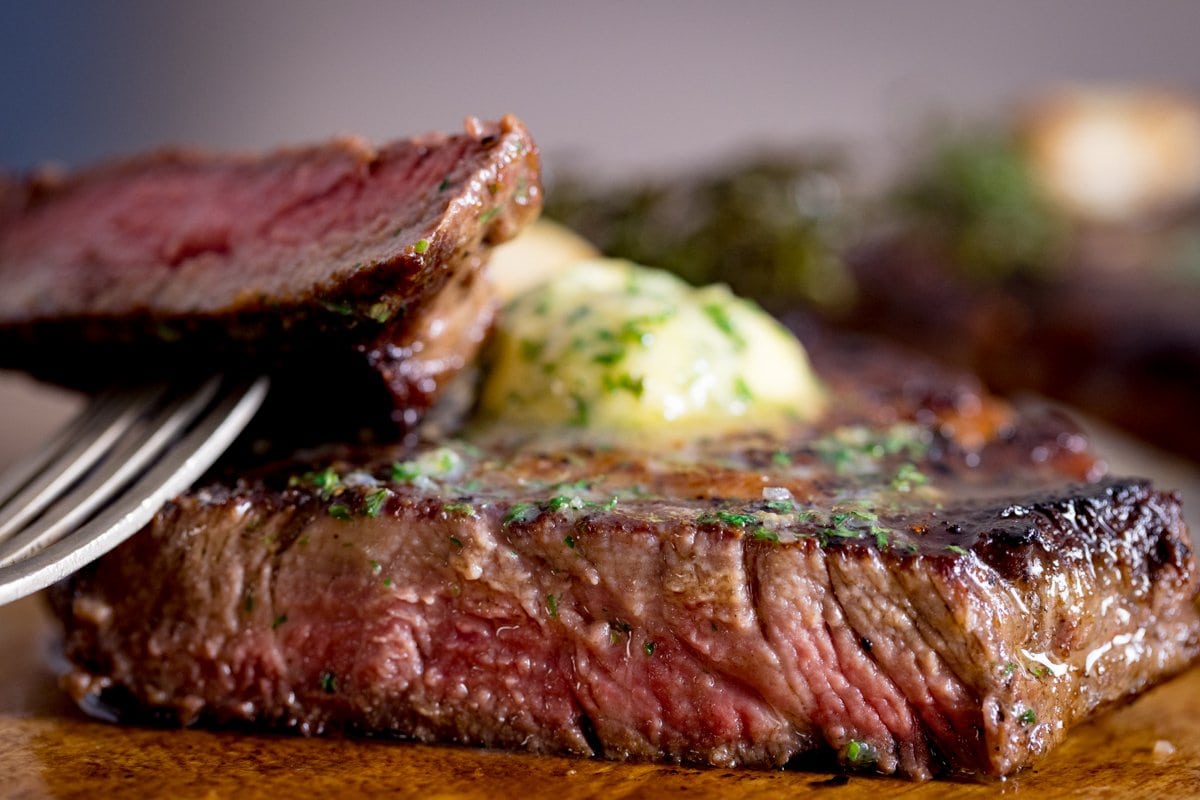
The Timing Secret to Perfect Steak Salting: Unlocking Flavor and Sear
The quest for the ultimate steak—a beautifully seared crust giving way to a tender, juicy, and profoundly flavorful interior—is a culinary journey many home cooks embark on. Yet, along this path, debates rage. Should you flip your steak once or many times? When exactly should you cut into it after cooking? And perhaps most persistently, when is the absolute best time to salt your steak?
For anyone striving for the Master the Perfect Steak: Searing, Salting & Resting Guide, understanding the science behind seasoning is paramount. It’s not just about adding flavor; it's about optimizing the meat’s texture and its ability to develop that coveted crust. Today, we're diving deep into the art and science of salting, revealing the timing secret that can transform your everyday cook into a truly Foolproof Steak: Juicy Grills & Pan-Sears with Perfect Crust experience.
The Age-Old Salting Debate: When to Season for the Perfect Steak Recipe
Walk into any kitchen, peruse a dozen cookbooks, or listen to a panel of celebrity chefs, and you're likely to get a different answer every time you ask about salting steak. Some advocate for salting the moment before it hits the pan, claiming it prevents dryness. Others staunchly recommend salting hours, or even days, in advance to allow the flavors to penetrate deeply. A few even suggest not salting the meat at all, opting instead to season the cooking surface.
This culinary cacophony leaves many home cooks confused, wondering which method truly delivers on the promise of a perfect steak recipe. Is there a definitive answer, or is it merely a matter of personal preference? Fortunately, rigorous testing has demystified this common point of contention, providing clear guidance on how to achieve optimal flavor and an impeccable sear.
Unpacking the Science: Why Timing Matters for Flavor and Sear
To settle the salting debate, culinary scientists have meticulously tested various timing intervals. The approach typically involves preparing identical, thick-cut steaks and salting them at specific times before cooking, then observing the results in terms of both flavor penetration and crust development.
The findings are strikingly consistent: steaks salted either immediately before cooking or after a significant rest of at least 40 minutes (and up to several days) consistently yield superior results. The periods in between – specifically, salting 10, 20, or 30 minutes before cooking – proved to be the least effective. Understanding why this occurs is key to mastering your perfect steak recipe.
What Happens Immediately After Salting?
When you generously apply coarse salt to your steak just moments before it goes into a screaming hot pan or onto the grill, the salt granules rest on the surface, largely undissolved. At this stage, the steak’s natural juices are still contained within the muscle fibers. The surface remains relatively dry, which is absolutely crucial for achieving a fantastic sear. A dry surface allows for direct contact with the hot cooking surface, facilitating the Maillard reaction – the complex chemical process responsible for the rich, savory flavors and beautiful brown crust we crave.
The "Danger Zone" (10-30 Minutes After Salting)
This is the tricky window that most home cooks unknowingly fall into. Roughly 10 to 30 minutes after salting, the salt begins to dissolve in the inherent moisture present on the steak's surface. This creates a highly concentrated brine, which, through osmosis, starts to draw moisture out from the deeper parts of the meat. What you end up with is a noticeable layer of moisture (a small puddle, even) sitting on the steak's surface.
When this wet steak hits a hot pan or grill, that surface moisture immediately turns into steam. Instead of searing, the steak effectively steams itself, preventing direct contact with the hot metal. This inhibits the Maillard reaction, resulting in a less desirable, often greyish, and soft crust rather than a crisp, flavorful brown one. This is why avoiding this "danger zone" is critical for achieving that perfect sear.
The Sweet Spot (40+ Minutes, or Even Days Ahead)
If you commit to salting well in advance, something magical happens. After about 40 minutes, and continuing for hours or even days, two processes unfold:
- Reabsorption of Flavor: The salt, now dissolved and having drawn out initial moisture, begins to be reabsorbed back into the meat. Crucially, it takes some of that flavorful, concentrated brine with it. This process, known as dry-brining, allows the salt to penetrate deep into the muscle fibers, seasoning the steak from within and enhancing its natural beefy flavor.
- Surface Drying: As the salt works its way in, the surface moisture either evaporates (especially if the steak is left uncovered in the refrigerator) or is reabsorbed. The result is a steak that is deeply seasoned internally, remarkably tenderized (salt helps break down muscle proteins), and, most importantly, boasts a dry exterior that is perfectly primed for an extraordinary sear.
Salting 24 to 48 hours in advance, often referred to as dry-brining, maximizes these benefits, leading to an incredibly tender and uniformly seasoned steak that develops an unparalleled crust when cooked.
Practical Application: Crafting Your Perfect Steak Recipe
Now that you understand the science, you can choose the best salting strategy for your cooking schedule and desired outcome.
Option 1: The "Right Before" Method (For Quick Success)
- Preparation: Pat your steak thoroughly dry with paper towels. This is crucial for surface dryness.
- Seasoning: Just as your pan is preheating to smoking hot (or your grill is reaching 650°F/343°C), generously season both sides of your steak with coarse kosher salt and freshly ground black pepper.
- Cooking: Immediately place the steak onto the hot cooking surface.
- Best For: Weeknight dinners when time is short, ensuring a good crust and surface seasoning.
Option 2: The "Long Rest" (Dry Brine) Method (For Ultimate Flavor & Tenderness)
- Preparation: Pat your steak thoroughly dry.
- Seasoning: Liberally season both sides with coarse kosher salt. Do not be shy – much of it will be reabsorbed.
- Resting: Place the seasoned steak on a wire rack set over a baking sheet, uncovered, in the refrigerator.
- Timing: Rest for a minimum of 40 minutes, but ideally 24 to 48 hours for thick cuts (1.5-2 inches). The longer rest allows for maximum flavor penetration and tenderness.
- Before Cooking: There's usually no need to pat it dry again, as the refrigerator air will have naturally dried the surface. Allow it to come to room temperature for about 30 minutes before cooking for more even results.
- Best For: Special occasions or when you have ample time, yielding a deeply flavorful, tender, and perfectly seared steak. You can also experiment with additional seasonings like Big Green Egg Ancho Chile & Coffee Seasoning during this rest period.
General Tips for a Foolproof Steak
- Quality Meat: Start with excellent quality, thick-cut steaks (1.5-2 inches), preferably ribeye or strip.
- High Heat: Whether using a cast iron skillet or a grill, ensure your cooking surface is screaming hot to achieve a rapid, aggressive sear. Consider a cast iron cooking grid for increased sear marks.
- Flip Often: For more even cooking from edge to center, flip your steak every 30-60 seconds after the initial sear.
- Rest Your Steak: After cooking, always rest your steak for 5-10 minutes on a cutting board before slicing. This allows the juices to redistribute, ensuring every bite is succulent.
- Cut Against the Grain: When slicing, always cut perpendicular to the muscle fibers for the most tender bites.
Beyond Salting: Achieving Master the Perfect Steak
While salting timing is a critical piece of the puzzle, a truly perfect steak recipe involves a symphony of techniques. Warming your steak up slightly before cooking, employing frequent flipping for even internal temperature, and, of course, the crucial resting period after it leaves the heat are all vital. Some even advocate for advanced methods like sous-vide for the ultimate in even cooking and tenderness before a final sear. By integrating all these elements, you move beyond just cooking meat to crafting a culinary masterpiece.
Conclusion
The secret to perfect steak salting boils down to precise timing: either season immediately before cooking or allow a minimum of 40 minutes for the salt to work its magic and then reabsorb. Steering clear of that 10-to-30-minute "danger zone" will save you from a steaming, lackluster crust and elevate your steak game significantly. By understanding and applying this fundamental principle, alongside other best practices like high-heat searing and proper resting, you'll consistently achieve that deeply flavorful, beautifully seared, and incredibly juicy steak you've always dreamed of. Experiment with both methods to discover your preferred path to the ultimate perfect steak recipe.
